Mexico Shifts from User to Producer of Space Technology
On June 4, Mexico's Official Gazette published the 2026-2030 Space Program, the country's first major public policy instrument designed to transform Mexico from a consumer of satellite services into a producer of its own space technology. The program sets concrete targets for rural connectivity and technological sovereignty over the next four years.
Led by the Agency for Digital Transformation and Telecommunications, with technical support from the Mexican Space Agency, the program aligns with the federal government's 2025-2030 National Development Plan. Its most visible quantitative goal is ambitious: expanding internet access in rural areas from 68.5% in 2024 to 90% by 2030. For a country where connectivity remains tied to income and geography, this leap aims to bridge a divide affecting millions of households beyond major cities. The program also commits to training Mexican specialists capable of designing, building, and operating space missions domestically.
Mission Ixtli Takes Center Stage
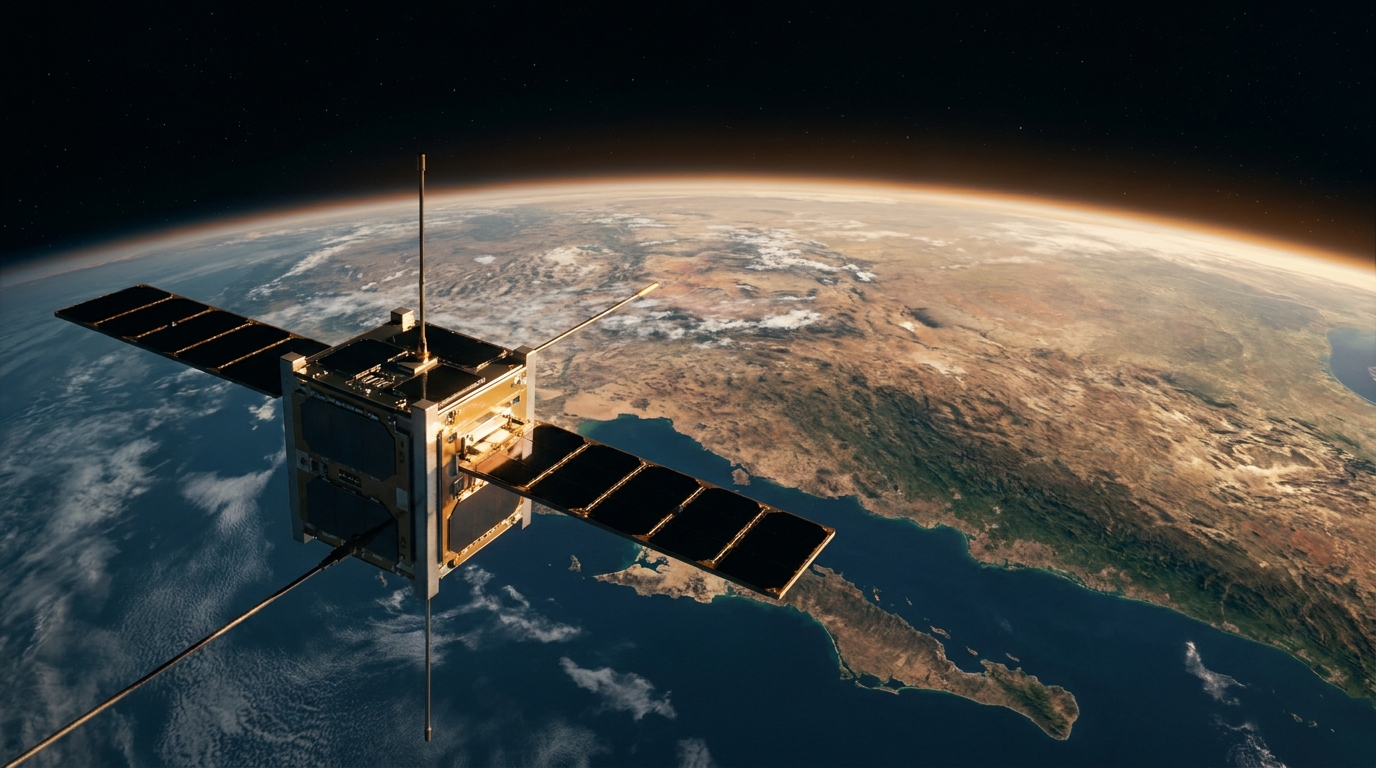
Among ongoing projects, Mission Ixtli stands out: a constellation of four CubeSat nanosatellites with an estimated investment of 540 million pesos, according to Expansión. Named after the Nahuatl word for "eyes to see," the constellation will comprise two six-unit satellites and two sixteen-unit satellites to monitor forest fires, forest health, crops, landslides, and coastal dynamics. The initiative mandates that at least 50% of the technology be domestically designed, with participation from researchers at UNAM, IPN, CICESE, and UPAEP.
Manufacturing is scheduled to begin in 2026, with the initial launch expected between late 2026 and the first quarter of 2027.
The International Approval Hurdle
The next critical milestone involves securing orbital frequency assignments from the International Telecommunication Union, a technical process that can take up to two years and determines the actual launch window. Whether Mexico deploys its first observation satellites with homegrown technology before the current administration ends depends on this timeline.
Sources
- https://sidof.segob.gob.mx/notas/5789481
- https://www.gob.mx/aem
- https://expansion.mx/empresas/2026/03/03/mexico-lanza-cuatro-satelites-seguridad-clima