A Mexican delegation led by Economy Secretary Marcelo Ebrard is meeting with U.S. officials in Washington from June 15-18 to advance the review of the USMCA. President Claudia Sheinbaum has set a clear goal: slash the tariffs Washington maintains on Mexican steel, aluminum, and vehicles.
Mexico's Position
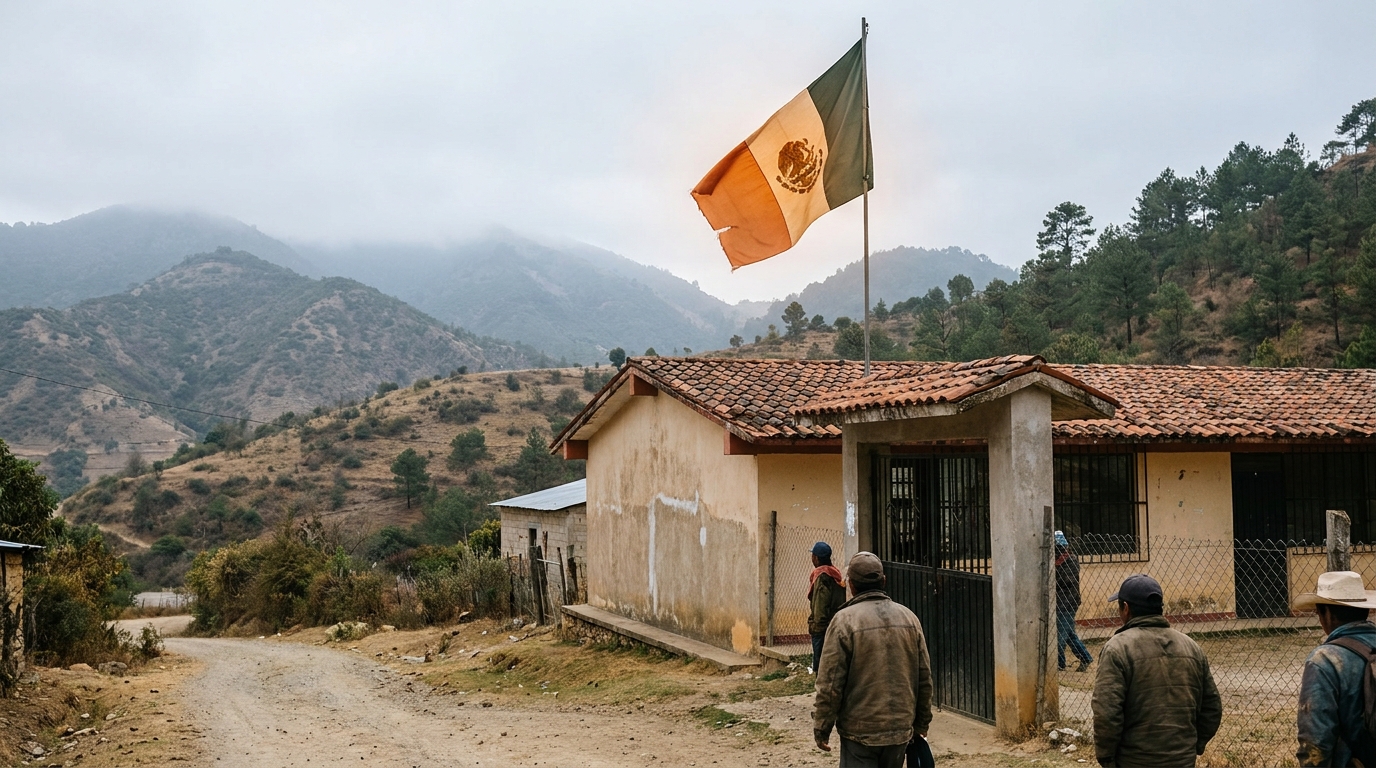
On June 15, Sheinbaum stressed that the treaty was approved by Congress in all three countries and is now "law." She characterized the current talks as implementation within the existing framework, not a renegotiation of the accord signed during Trump's first term. That distinction matters for Mexican households, since it determines how broadly tariffs and rules of origin can be adjusted, and how the four-year review cycle will proceed. Mexico's export base, deeply integrated into regional manufacturing, automotive, and agroindustrial supply chains, depends on this framework's stability.
The Numbers
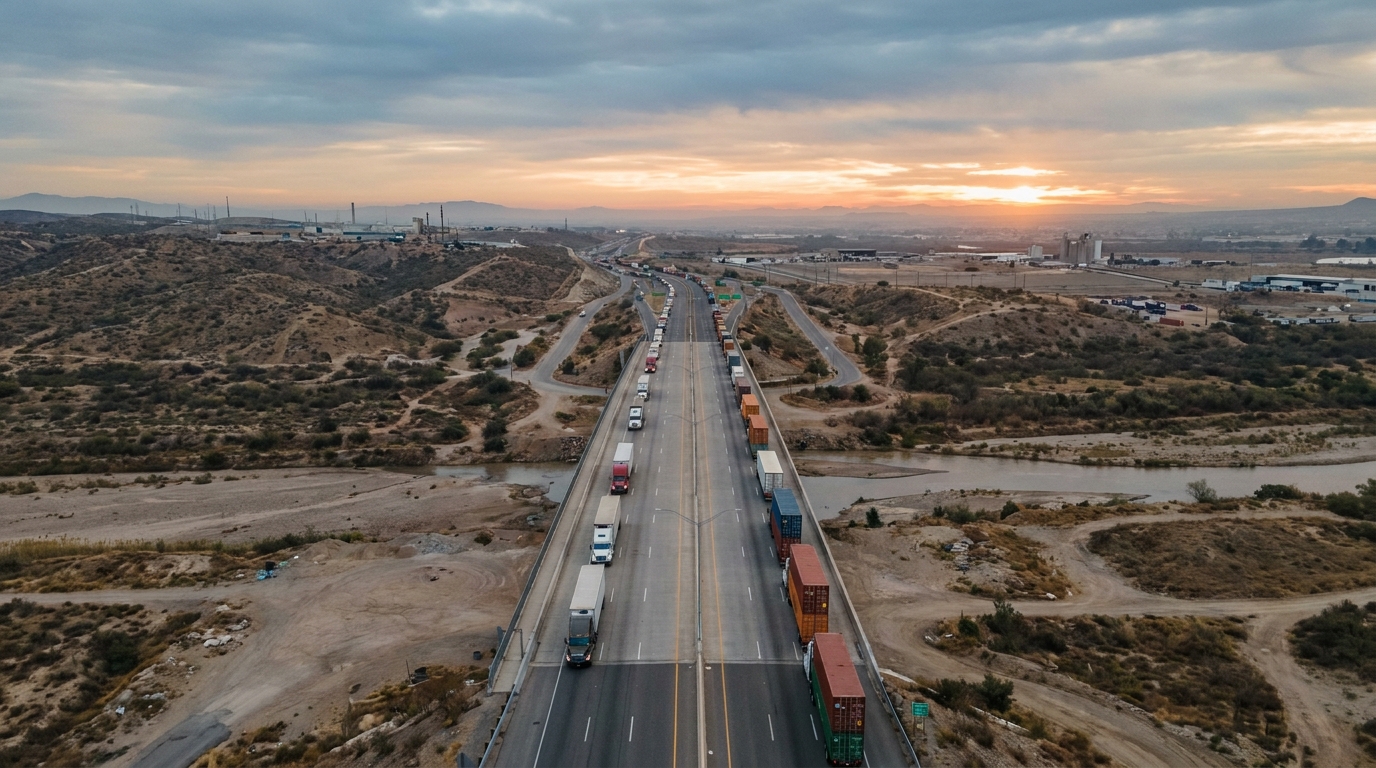
According to Infobea, the U.S. currently levies 50% tariffs on Mexican steel and aluminum, and 25% on automotive exports, all under Section 232. Sheinbaum has said that securing a 16-year extension of the treaty while cutting these duties would count as a win. She also stressed that the treaty's benefits must flow to the entire region, not concentrate solely in U.S. territory.
What's Next
The Mexican team, which includes Ambassador Roberto Lajous, is working through technical committees on rules of origin, regional content, and dispute resolution mechanisms. Technical talks wrap up on June 18, followed by formal presentation of partial agreements to the economic cabinets of all three nations. The full review is expected to close by the fourth quarter.
Key Questions
**What is Mexico seeking in the USMCA review?**
Mexico aims to reduce U.S. tariffs on steel, aluminum, and vehicles while preserving the treaty for another 16 years.
**What tariff rates are on the table?**
The U.S. maintains 50% duties on Mexican steel and aluminum, and 25% on auto exports, all under Section 232.
**Why does the distinction between "implementation" and "renegotiation" matter?**
It defines how far Mexico and the U.S. can go in reshaping tariff schedules and trade rules without formally reopening the treaty text.