A Fresh Look at Modern Mexican Art
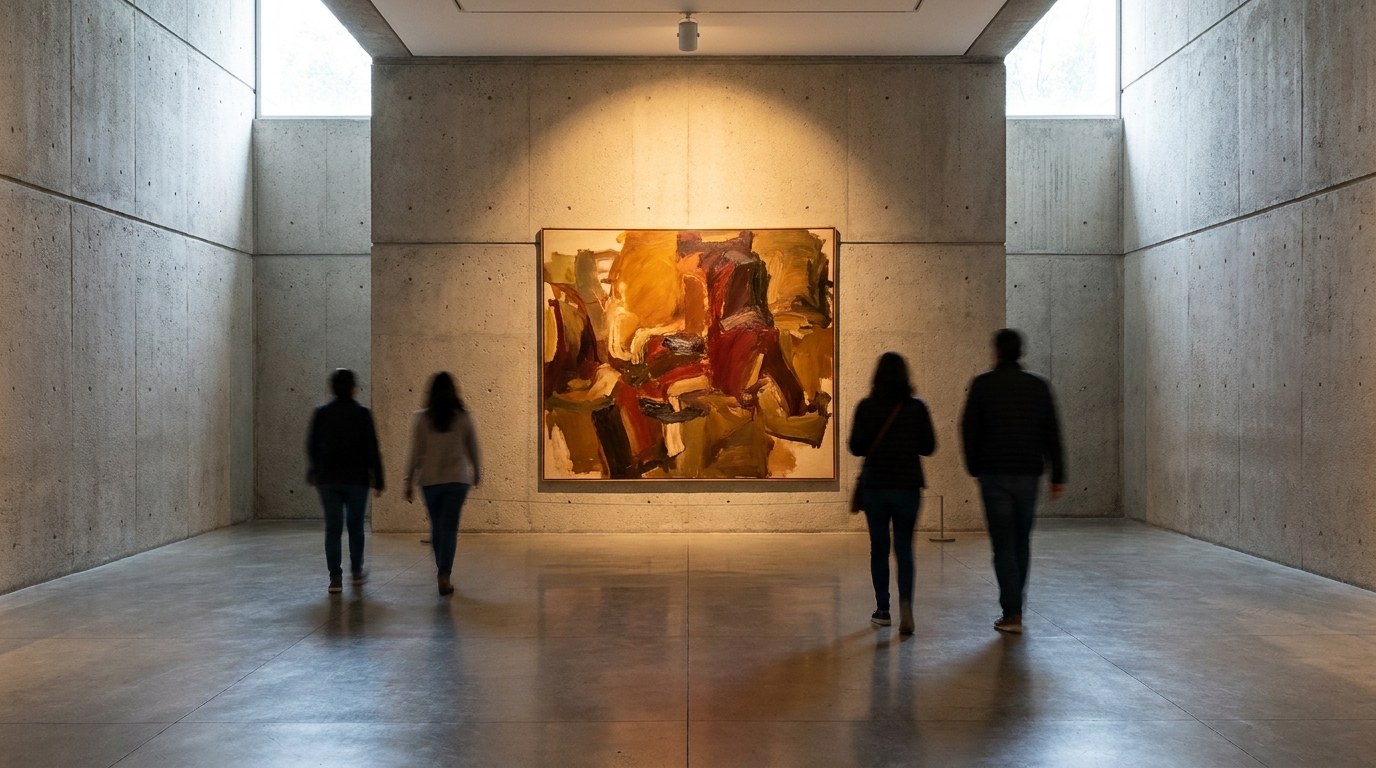
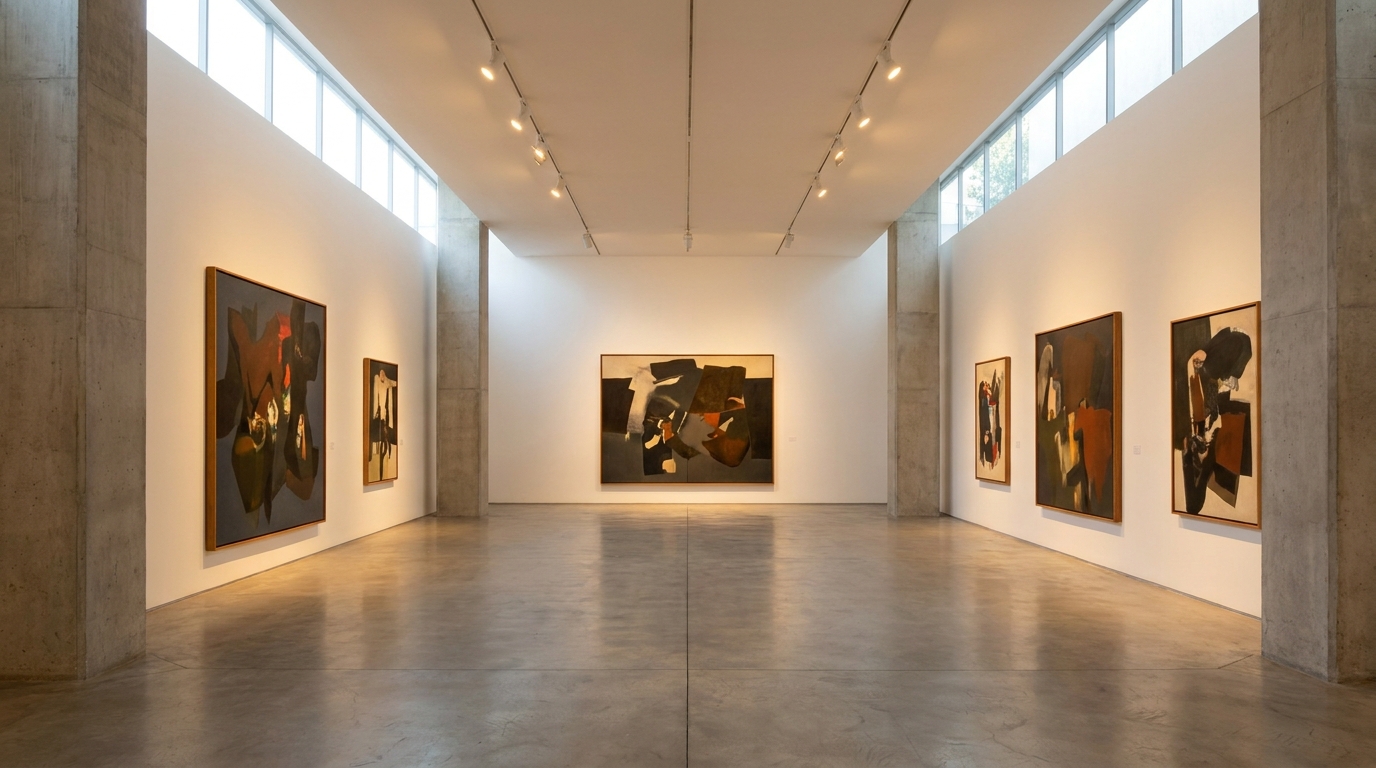
The Museum of Modern Art (MAM) inaugurated "The Collection: Networks and Trajectories of Mexican Art, 1910-1950" on June 4, a groundbreaking exhibition that reframes key pieces from its permanent holdings through six thematic intersections.
Located at Paseo de la Reforma and Gandhi within Chapultepec Forest, the show offers a critical reading of how Mexican art discourse and national identity were constructed in the first half of the 20th century. By pairing artworks with period documents, curators invite visitors to see pieces not as isolated objects but as part of interconnected creative networks.
The Artists and the Centerpiece
Curated by Raúl Rueda, the exhibition brings together central figures of the era:
- Frida Kahlo, Diego Rivera, and David Alfaro Siqueiros
- Remedios Varo, Rufino Tamayo, and Olga Costa
- Lola Álvarez Bravo and Juan O'Gorman
The exhibition's anchor is Frida Kahlo's monumental "Two Fridas" (1939), a self-portrait exploring identity and emotion that has become synonymous with Mexican modern art itself.
By the Numbers
The Museum of Modern Art, which opened in 1964 within Chapultepec Forest, safeguards one of Mexico's most significant collections of modern Mexican art. According to INBAL (the National Institute of Fine Arts and Literature), the exhibition presents a curatorial approach that celebrates the institution's stewardship of nearly 3,614 total pieces. Depending on the source, between 106 and 116 works by 57 artists are on view.
INBAL director Alejandra de la Paz emphasized the show as a celebration of institutional responsibility, while MAM director María del Sol Argüelles highlighted the museum's role as one of the capital's most visited cultural venues.
Why It Matters
In an era of contemporary curatorial practices, this exhibition demonstrates how museums can reinterpret canonical works through fresh frameworks. Rather than a chronological survey, visitors trace thematic connections across post-revolutionary Mexican art, discovering how artists engaged with questions of identity, modernity, and cultural nationalism in the decades following the Mexican Revolution.
Sources:
- https://inba.gob.mx/prensa/23899/el-museo-de-arte-moderno-inaugura-la-exposicion-la-coleccion-redes-y-trayectorias-del-arte-mexicano-1910-1950
- https://www.excelsior.com.mx/cultura/museo-arte-moderno-revisa-coleccion-desde-mirada-contemporanea