New Constitutional Reform Takes Effect
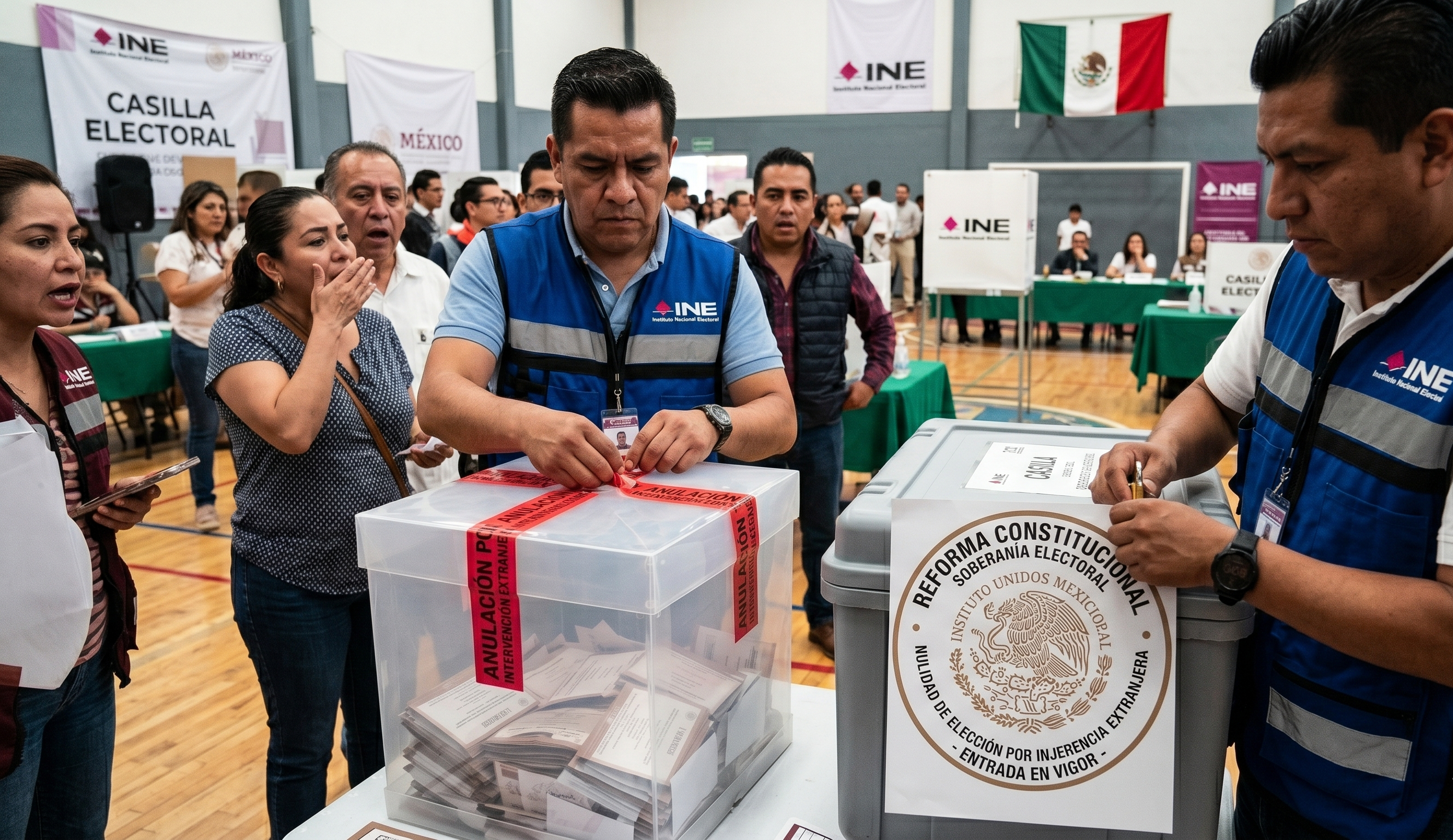
As of June 3, a constitutional reform adding a new ground for electoral nullity related to foreign intervention in Mexico's democratic processes has entered into force.
The modification was published in the Official Gazette of the Federation following approval by Congress and ratification by the majority of state legislatures.
What the Reform Establishes
The reform states that when acts of interference from foreign governments, organizations, or individuals are proven to have improperly influenced an electoral process, competent judicial authorities may examine the facts and determine corresponding legal consequences under current constitutional and electoral law.
Expert Perspectives
Electoral law specialists note that this new ground for nullity aims to strengthen protection of national sovereignty against potential external influence on the country's democratic decisions. They emphasize the importance of applying criteria to prove foreign interference with legal certainty and respect for constitutional principles.
Broader Context
The implementation of this provision opens a new chapter in debates over electoral integrity, resource oversight, and protection of democratic processes from external risks. This development reflects a global trend in which various countries have reinforced mechanisms to prevent interference in their electoral systems.
Sources
- Decree amending Article 41, Section VI of the Mexican Constitution (Official Gazette of the Federation)
- Who can annul an election due to foreign interference? IBERO academic warns of risks from new reform (IBERO Press)