Constitutional Protection for Mexico City's Living Traditions
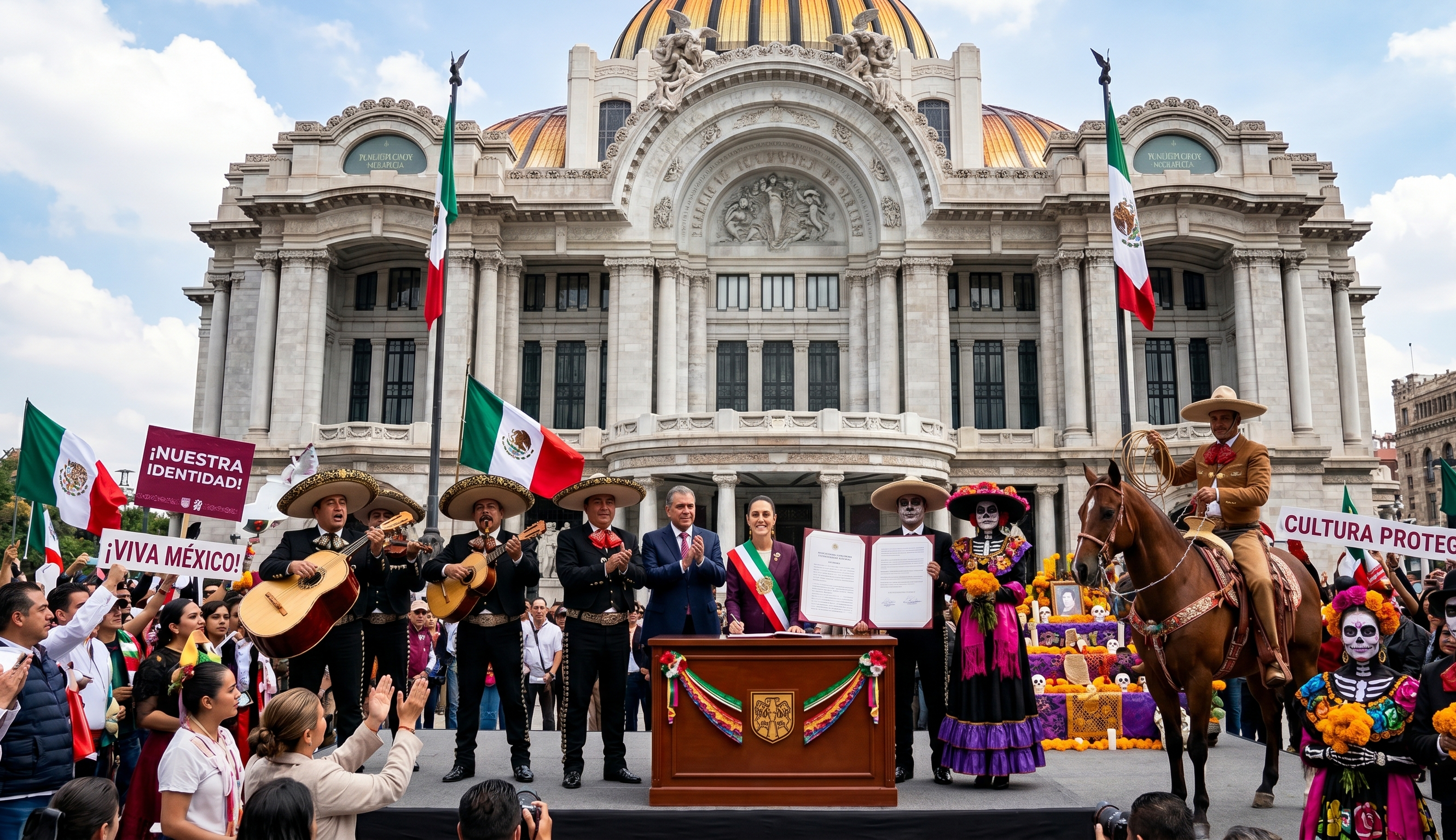
Mexico City has taken a significant step forward in cultural preservation with a constitutional reform that now enshrines intangible cultural heritage within its Political Constitution. This landmark change gives formal institutional backing to iconic expressions of Mexican identity, including mariachi music, charrería (traditional horsemanship), Day of the Dead celebrations, and regional culinary traditions.
The reform strengthens government action to preserve the cultural expressions that define the capital and the nation itself. It establishes a legal framework enabling authorities to develop educational programs, research initiatives, and strategies for transmitting these practices and knowledge to future generations. The measure aligns with UNESCO's international principles for safeguarding cultural heritage.
Expanding Educational and Community Impact
Key benefits of the reform include:
- Support for educational, cultural, and community activities that keep traditions alive across the capital's diverse neighborhoods
- Enhanced coordination between cultural institutions and local authorities to foster citizen participation in heritage preservation
- Recognition of the economic and social importance of intangible cultural heritage sectors
The constitutional amendment acknowledges the critical roles played by traditional musicians, artisans, traditional cooks, and cultural advocates in sustaining Mexico City's living heritage. By doing so, the capital reinforces its commitment to protecting cultural diversity and preserving the collective memory of its people.
Sources
- Congreso de la Ciudad de México: "Tradiciones culturales de la CDMX quedarán plasmadas en la Constitución Política capitalina"
- Infobea México: "La mañanera de la presidenta Claudia Sheinbaum hoy miércoles 3 de junio: entrada en vigor de reformas para blindar la soberanía cultural"