
The Mexican Export Mix traded at 105 dollars per barrel on Thursday, September 10, 2026, a daily gain of 5%, according to data from Bloomberg Línea. The price sits more than 40 dollars above the 61.8 dollars per barrel assumption that the Ministry of Finance and Public Credit (Secretaría de Hacienda y Crédito Público) built into the Economic Package delivered on September 8 for 2027.
Mexican crude is riding the rally in international markets driven by the conflict in the Persian Gulf, a region through which 20% of the world's trade in crude oil and liquefied natural gas passes. WTI closed at 102.48 dollars and Brent at 107.63, according to El Financiero. For public finances the gap is material: every dollar of variation in the average oil price moves 9,600 million pesos in oil revenues, according to Hacienda's economic policy criteria. The same document estimates an average of 78 dollars for the close of 2026.
The pressure also has a supply component. Saudi Arabia told OPEC that its production fell 1.9 million barrels per day, to 6.2 million, its lowest level since 1990, according to the Actinver report cited by Bloomberg Línea. In parallel, Pemex has cut its oil exports by 50% since 2024 as part of its fuel self-sufficiency policy.
The cost of crude does not reach the consumer in full. The IEPS stimulus for Magna gasoline went from 16% in mid-August to 31% this week, and the diesel stimulus reached 81%, according to El Financiero. That stimulus absorbs part of the increase and shifts the cost onto the public accounts.
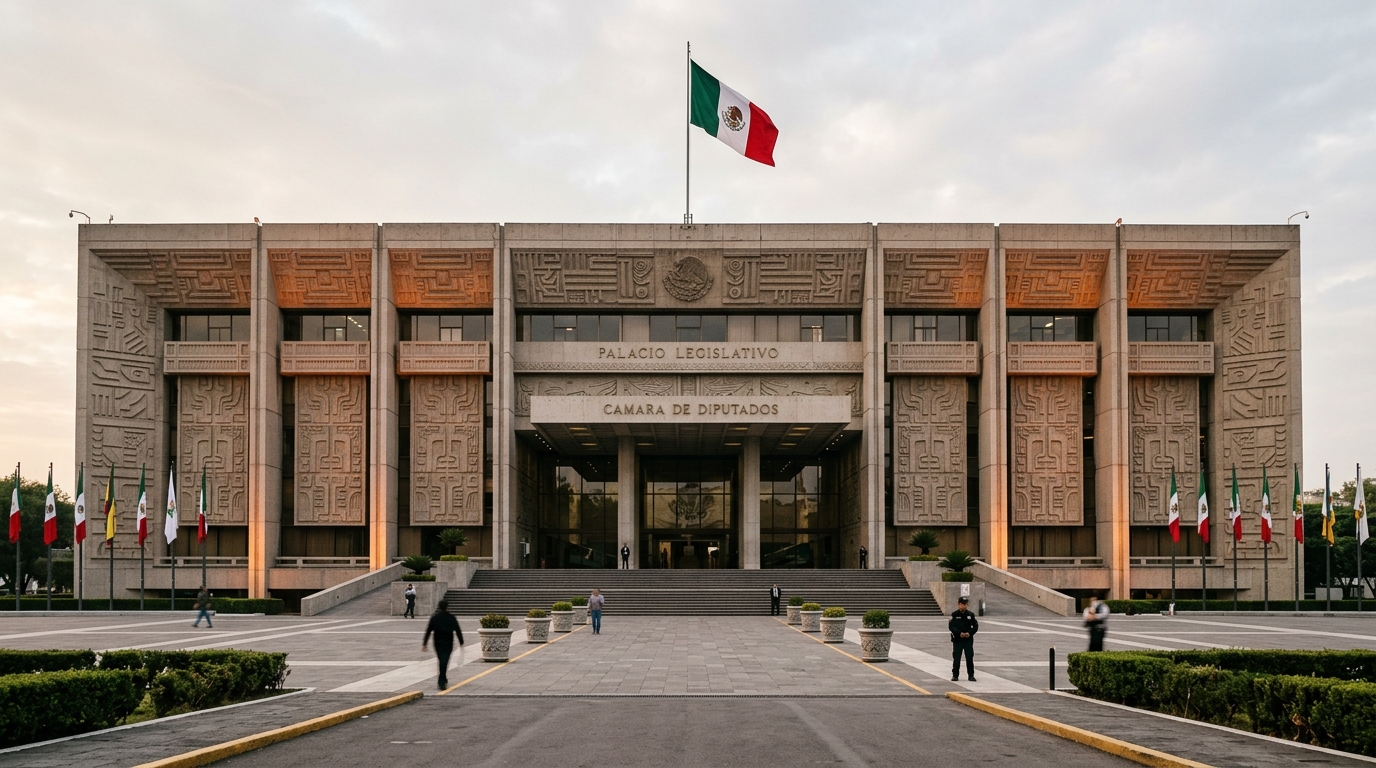
The spread between the observed price and the official assumption remains as room for maneuver heading into the close of the year. Banco de México decides its interest rate on September 24, with the peso at 16.99 per dollar and the 10-year bond at 9.35%. The 2027 Economic Package is still under discussion in the Chamber of Deputies.
This article was written with the assistance of artificial intelligence from verified sources and reviewed by a human editor before publication.