Mexico's Attorney General (FGR) reported on August 20 that the seizure of hydrocarbons from the fuel-tax fraud network linked to the Farías Laguna brothers dealt a blow of more than 340 million pesos to the criminal organization.
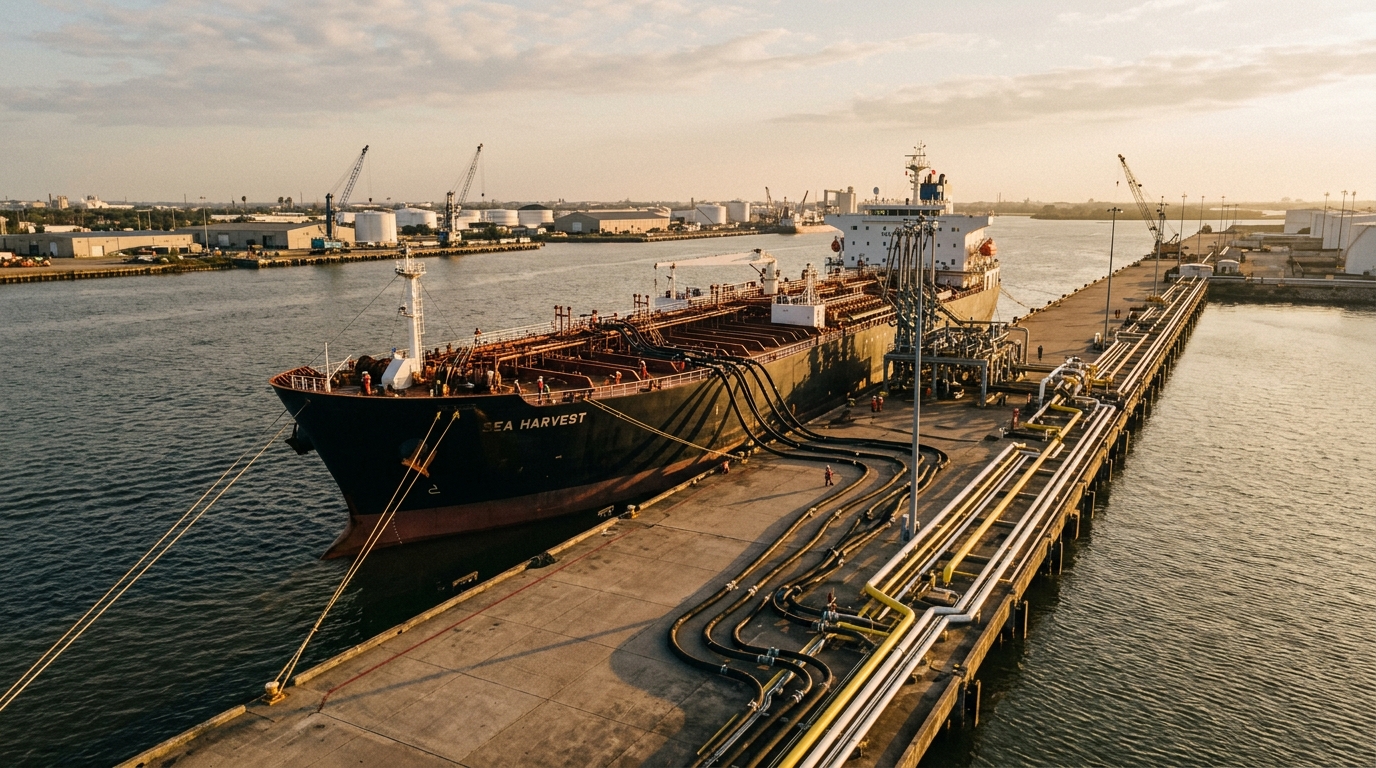
FGR head Ernestina Godoy noted that former Navy Secretary Rafael Ojeda Durán had alerted the office as early as 2024 about the network's existence, which involved public servants, customs agents, and legally registered companies, according to Proceso. In March 2025, the case was confirmed with the seizure of a vessel carrying 8 million liters of hydrocarbon at Altamira, Tamaulipas. Days later, the Security Cabinet detected a similar operation in Ensenada, Baja California, where a second vessel carrying approximately 8 million liters of fuel was seized. The modus operandi involved declaring hydrocarbons as oils or additives at ports such as Tampico or Ensenada to evade taxes, according to Expansión Política.
The organization operated in Tamaulipas, Baja California, Colima, Sonora, and Mexico City, according to the Attorney General's office. In addition to Fernando Farías Laguna, 15 people have been detained, among them 12 former public servants, and the office expects new arrest warrants against shareholders, attorneys-in-fact, partners, and liaisons in six states. The retired rear admiral, nephew of the former Navy Secretary, is held at Federal Social Readaptation Center No. 1, Altiplano, under the authority of the control judge who issued the warrant for hydrocarbon-related offenses. Godoy highlighted the collaboration of United States authorities, the Navy Secretariat, and the Foreign Affairs Secretariat in completing the expulsion from Argentina.
Investigations continue and the Attorney General's office anticipates further arrest warrants against partners and shareholders of the network. Godoy stated that the work would continue "with rigor and depth" to prevent resources belonging to the Mexican people from ending up as profits for a few or funding criminal activities.
This article was drafted with artificial intelligence assistance from verified sources and reviewed by a human editor before publication.