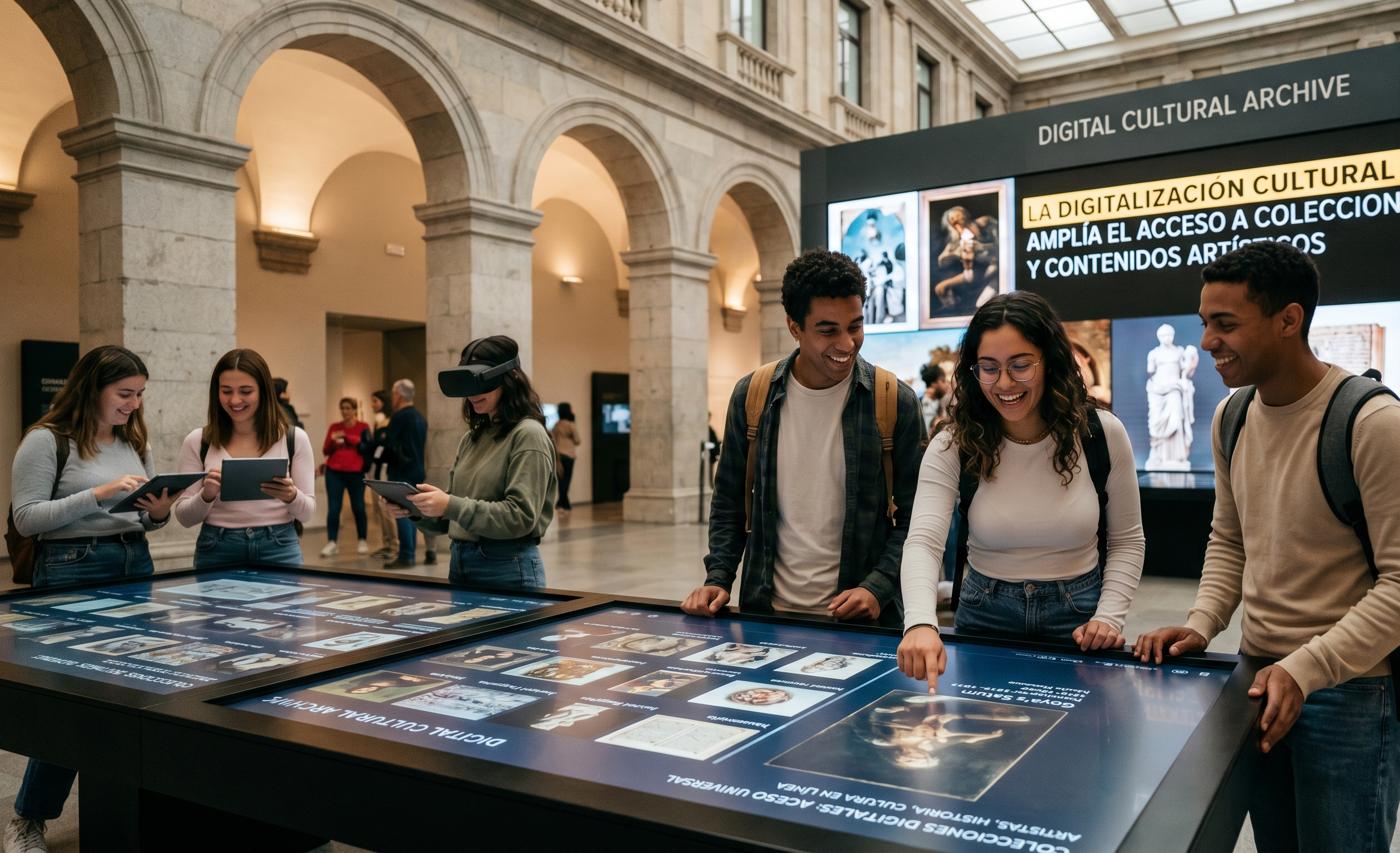
Digital Transformation Reshaping How We Experience Culture
The digital revolution is fundamentally changing how people interact with art, history, and cultural heritage. Over the past 24 hours, cultural institutions across Mexico and the United States announced significant progress on projects aimed at digitizing collections, historical archives, and educational materials.
Expanding Access Through Technology
Digitalization enables museums, libraries, and cultural centers to reach broader audiences through online platforms, virtual tours, and interactive resources. These tools make historical and artistic materials accessible to students, researchers, and the general public in ways previously impossible.
Cultural institutions now view technology as a strategic partner in preserving information and bringing content to communities that once faced geographic or economic obstacles to access. The growth of digital platforms also amplifies the international reach of cultural heritage.
Building Mexico's Digital Legacy
Across Mexico, academic and cultural institutions are launching initiatives to strengthen digital conservation of historical documents, artworks, and heritage records. These projects protect cultural legacies and enable study by future generations.
The Future of Culture and Technology
Experts agree that the fusion of culture and technology will continue reshaping how societies preserve, share, and value their heritage. The trajectory points toward deeper integration of digital tools in museums, archives, and educational programs.
Sources
- World Digital Library
- UNESCO Digital Culture
- Biblioteca Vasconcelos