The Moon's South Pole Becomes the New Frontier
China is moving two major missions into active deployment this summer. Chang'e 7 is headed to the lunar south pole to search for water ice, while Tianwen 2 is preparing to enter orbit around asteroid Kamoʻoalewa. The space race is being redrawn, and Latin America is watching.
The Real Competition Begins
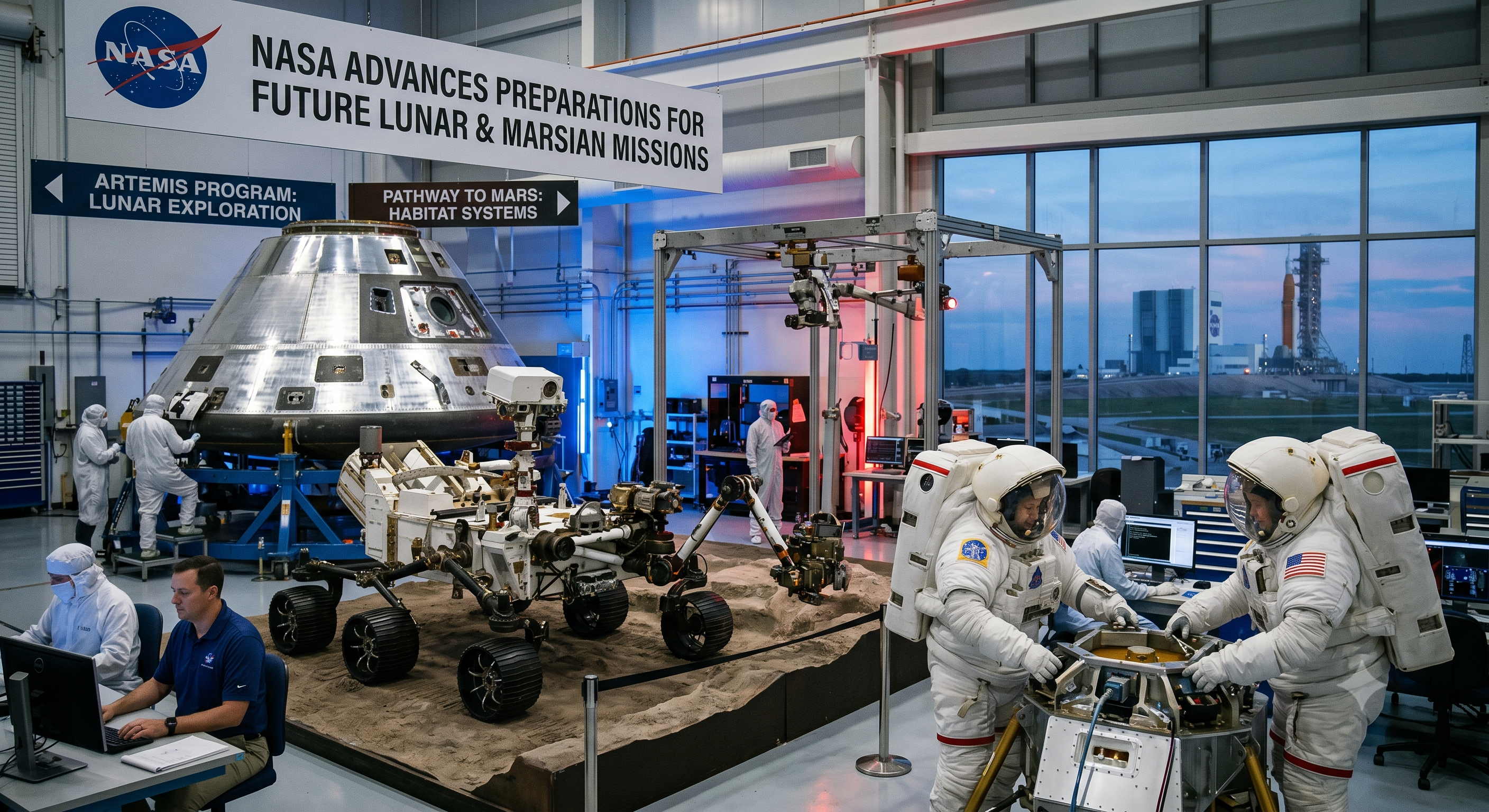
According to Expansion, the US-China rivalry over the Moon is no longer just talk. Following Artemis II's success, NASA is preparing Artemis III for 2027, which will feature lander docking modules developed by SpaceX and Blue Origin. China's response is Chang'e 7, scheduled to launch in the second half of 2026. The mission will carry an orbiter, lander, mini-hopper probe, and rover, all focused on craters at the south pole where water ice is suspected. Tianwen 2 will enter Kamoʻoalewa's orbit in June and begin sample collection in July, marking Asia's first asteroid sample mission.
La República reports that China's crewed Shenzhou 23 mission already has an astronaut in orbit for a year-long stay, another stepping stone toward a crewed lunar landing before 2030.
Mexico's Place in the Conversation
Mexico is part of the regional dialogue through its Space Agency (AEM) and scientific instrumentation projects developed with UNAM. The AEM maintains active agreements with ESA and NASA, plus a cooperation memorandum with China's National Space Administration signed in 2024. Geography matters in space diplomacy: the lunar south pole is increasingly discussed in multilateral forums as a shared resource.
The Countdown Begins
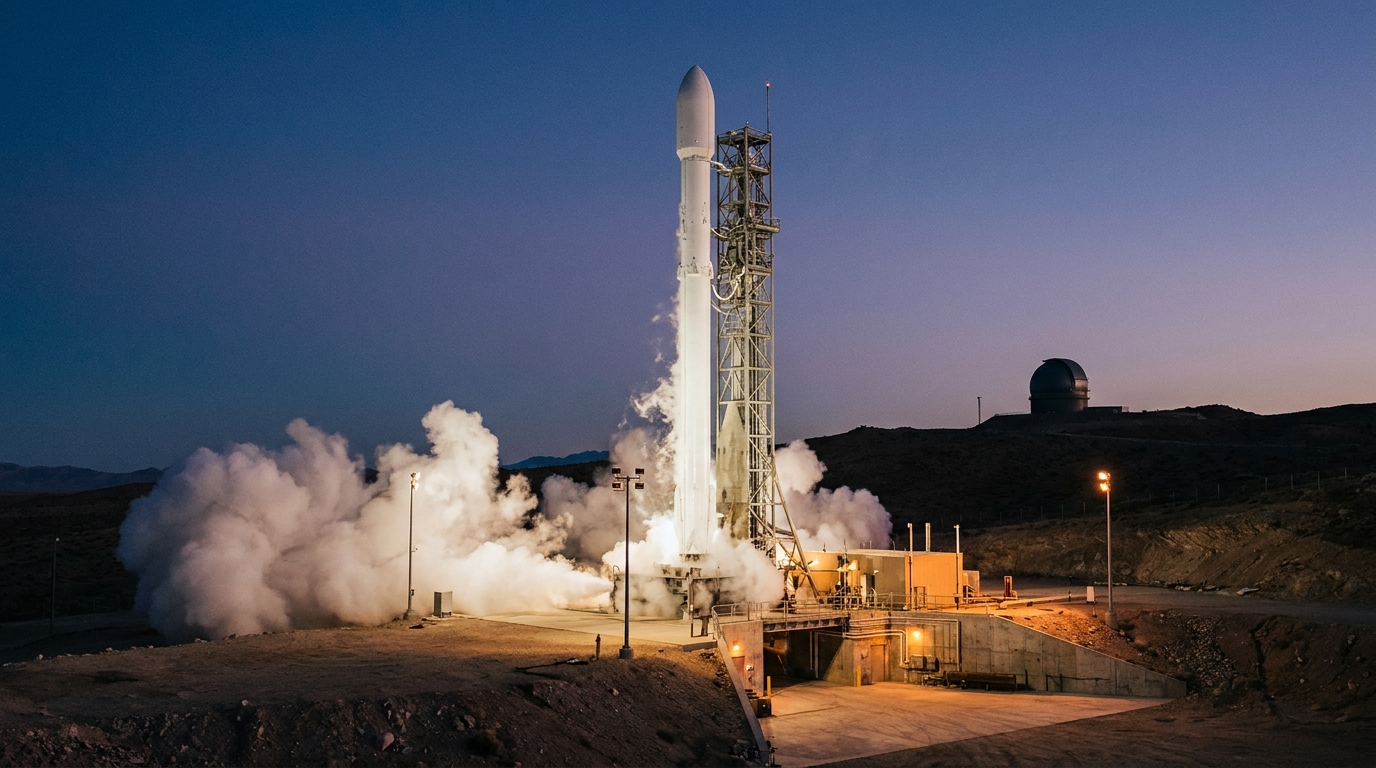
The next major milestone is Chang'e 7's launch. If China lands on the lunar south pole before Artemis III arrives, the balance of spacefaring power shifts. The race is on.
Sources
- https://expansion.mx/mundo/2026/04/01/artemis-ii-luna-nuevo-frente-de-competencia-entre-eu-y-china
- https://larepublica.pe/ciencia/2026/05/25/china-desafia-a-estados-unidos-en-carrera-hacia-la-luna-lanzo-mision-shenzhou23-con-astronauta-que-pasara-un-ano-en-el-espacio-2444825