Chichén Itzá Reopens Following Agreement
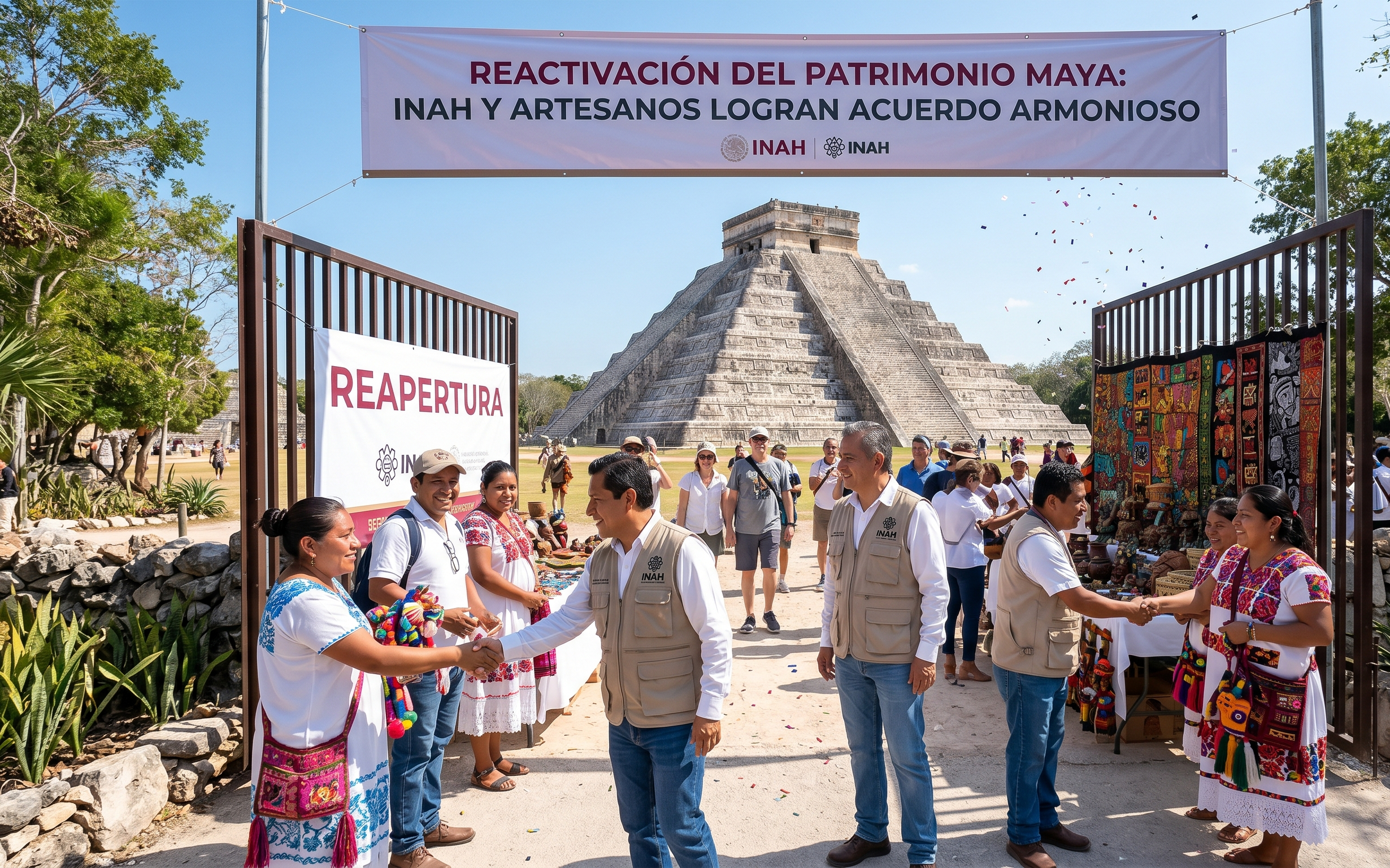
Mexico's National Institute of Anthropology and History (INAH) officially reopened the Chichén Itzá archaeological zone to the public beginning Monday, June 1, 2026. The site, located in Yucatán state, is designated a UNESCO World Heritage Site and ranks among the New Seven Wonders of the World.
The temporary closure had been implemented to facilitate negotiations between federal cultural authorities and collectives of traditional artisans from the Maya town of Pisté. Those talks concluded with a comprehensive agreement focused on orderly commercial operations and dignified working conditions.
Constructive Resolution
The closure, which protected both tourists and ancient monuments during discussions, was resolved positively through an integrated plan for sustainable commercial relocation and organization within the archaeological park's perimeter.
The final agreement involved coordinated participation from the Yucatán State Government and the Municipality of Tinum. Both committed to preserving the monumental heritage while ensuring the economic wellbeing and livelihoods of native artisans. The INAH will provide designated, properly regulated spaces for direct sales of wooden crafts and textiles.
Reinforced Operations
With ticket booths and pathways now fully operational, the INAH has strengthened internal surveillance and control measures to prevent incidents that could damage sacred structures like the iconic Pyramid of Kukulkán.
The federal cultural agency emphasized that President Claudia Sheinbaum's administration and the Yucatán Peninsula's indigenous communities share a goal: consolidating a cultural tourism model that is inclusive, respectful of human rights, and fully committed to environmental stewardship. Chichén Itzá has resumed normal operating hours, projecting institutional stability and historical pride globally.
Sources
- INAH announces Chichén Itzá reopening following artisan agreement (Infobae México)
- June explorations: INAH invites discovery of archives, convents and archaeological zones (Ministry of Culture)