Mexico's Federal Electricity Commission (CFE) operates 45 hydrometeorological stations in real time across the Grijalva River basin to anticipate flood risks during the rainy season, which runs from May 15 to November 30, and to protect communities downstream from its four hydroelectric plants in Chiapas.
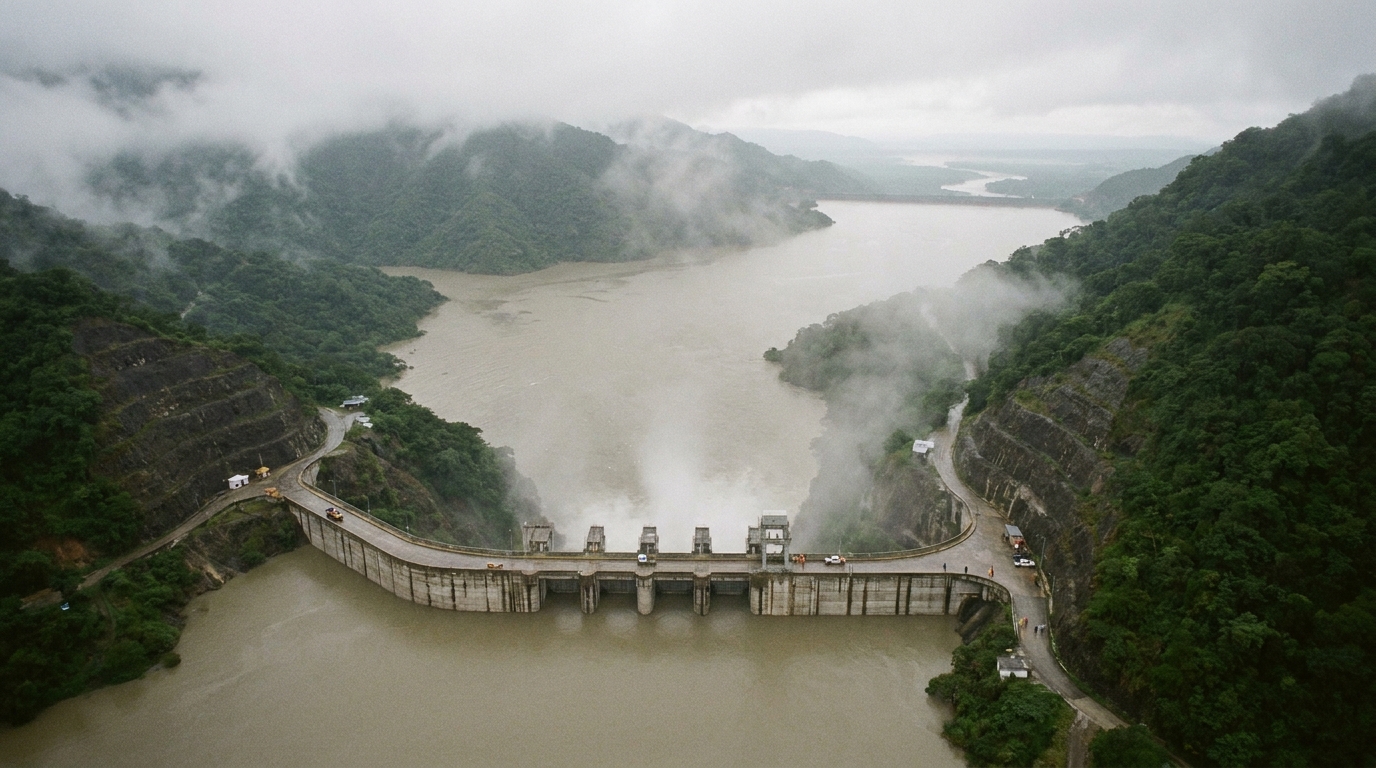
The Hydrometeorological Alert Platform continuously monitors the Grijalva and Sayula rivers, which feed the Belisario Domínguez (La Angostura), Manuel Moreno Torres (Chicoasén), Nezahualcóyotl (Malpaso), and Ángel Albino Corzo (Peñitas) reservoirs. According to Energía Hoy, between 2021 and 2023 CFE upgraded 34 of these stations with satellite technology and installed 11 new ones, strengthening coverage at strategic points across the basin. The Pacific hurricane and rainy season poses an annual challenge to water security in the southeast: the Grijalva-Usumacinta hydrological region spans 1,521 kilometers through Chiapas and Tabasco, according to CFE data reported by Imagen Radio.
Monitoring intensifies from May to November, with oversight from the Technical Committee for Hydraulic Works Operation, led by the National Water Commission (Conagua). The platform processes real-time data to support decisions on gate and spillway operations, with the triple goal of increasing hydraulic safety, improving operational efficiency at the plants, and reducing downstream flood risk, CFE reported. Mexico has a hydrographic network of 633,000 kilometers and 51 major rivers through which 87 percent of surface runoff flows, with basins covering 65 percent of national territory. This year, the National Hydroelectric Generation Coordination will carry out a preventive and corrective maintenance program to ensure continuous network operation. As a complementary measure, CFE is dredging the Grijalva and Sayula rivers, removing water hyacinth and logjams, and reforesting priority areas of the basin.
Hydrometeorological monitoring does more than protect lives: the four Grijalva plants account for a significant share of national clean energy generation, meaning their safe operation has implications for both disaster prevention and the country's electricity supply.
This article was drafted with artificial intelligence assistance from verified sources and reviewed by a human editor before publication.